About Poppy Plant
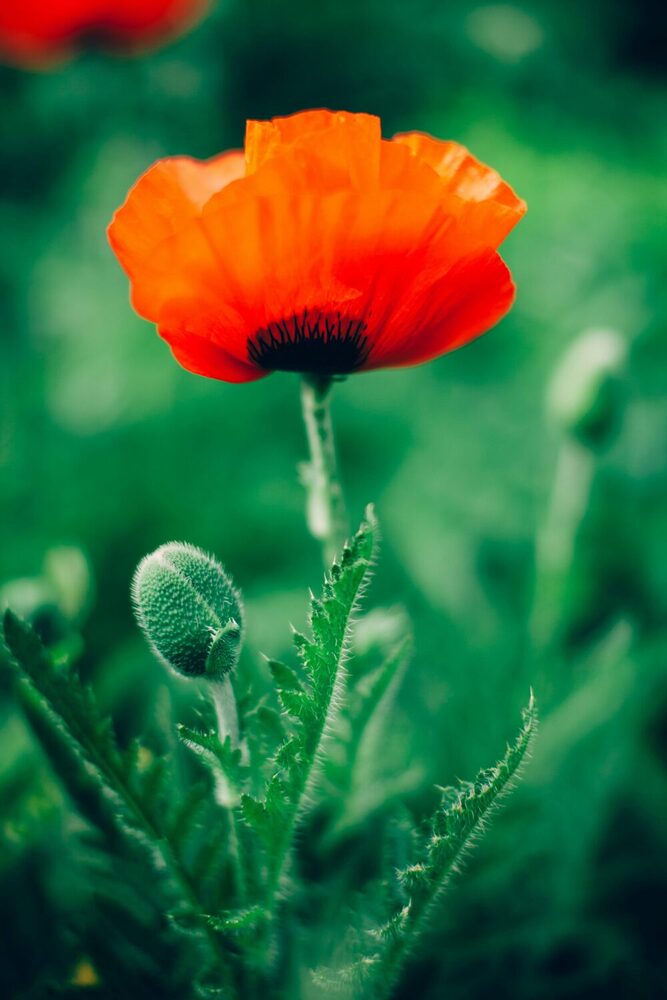
Poppies are a diverse group of flowering plants, known for their vibrant petals and various shapes and sizes. They can be annual, biennial, or short-lived perennial herbs, with some species even being monocarpic, dying after flowering. Poppies often grow to be over a meter tall, and their flowers can be up to 15 centimeters in diameter. Ideal Growing ConditionsPoppy plants require well-drained, nutrient-rich soil and full sun exposure to bloom profusely. They favor moderate watering, as excessive moisture or waterlogging can hinder their growth or cause root diseases. These plants do best in cool to moderate climates, flourishing in gardens or landscapes during the spring to early summer months.
Versatile Ornamental ApplicationsWith their vivid flowers and elegant upright stems, poppies are a popular choice for ornamental gardening and landscaping. They also make excellent cut flowers, enhancing floral arrangements with a shelf life of 7-10 days when kept in water. Their striking appearance makes them a centerpiece in gardens and bouquets alike.
FAQ's of Poppy Plant:
Q: How should I plant poppy seeds for optimal growth?
A: Sow poppy seeds directly into well-drained, fertile soil where they will receive full sunlight. Lightly press the seeds into the soil without covering them deeply and water moderately. Avoid overwatering, as poppies are susceptible to root rot.
Q: What is the best time to plant poppy plants?
A: The ideal time to sow poppy seeds is during the cool part of the year, typically in late autumn or early spring. This timing allows them to establish well before the flowering season in spring to early summer.
Q: Where can I use poppy plants in landscaping or decoration?
A: Poppy plants are excellent for ornamental borders, garden beds, and as standout features in landscaping. Their long stems and vibrant blooms also make them suitable for cut flower arrangements indoors.
Q: What care is required to maintain healthy poppy plants?
A: Poppy plants require moderate watering-keep the soil moist but never waterlogged. Ensure the location provides full sun and rich, well-drained soil. Remove faded flowers to encourage continued blooming.
Q: Are poppies safe to grow around children and pets?
A: Some species of poppy are toxic if ingested. It is advisable to plant them in areas less accessible to children and pets, and to educate household members about their potential toxicity.
Q: How long do poppy flowers last once cut?
A: When used as cut flowers, poppy blooms typically last between 7 to 10 days in a vase with fresh water, retaining their beauty and adding color to indoor spaces.
Q: What are the main benefits of including poppies in a garden?
A: Poppies offer stunning visual appeal with their vivid flowers and upright habit. They attract pollinators, enhance garden biodiversity, and elevate landscaping aesthetics with minimal maintenance requirements.





 Send Inquiry